Compliance & Standards
Quality Assurance in Global Sourcing: What to Look For
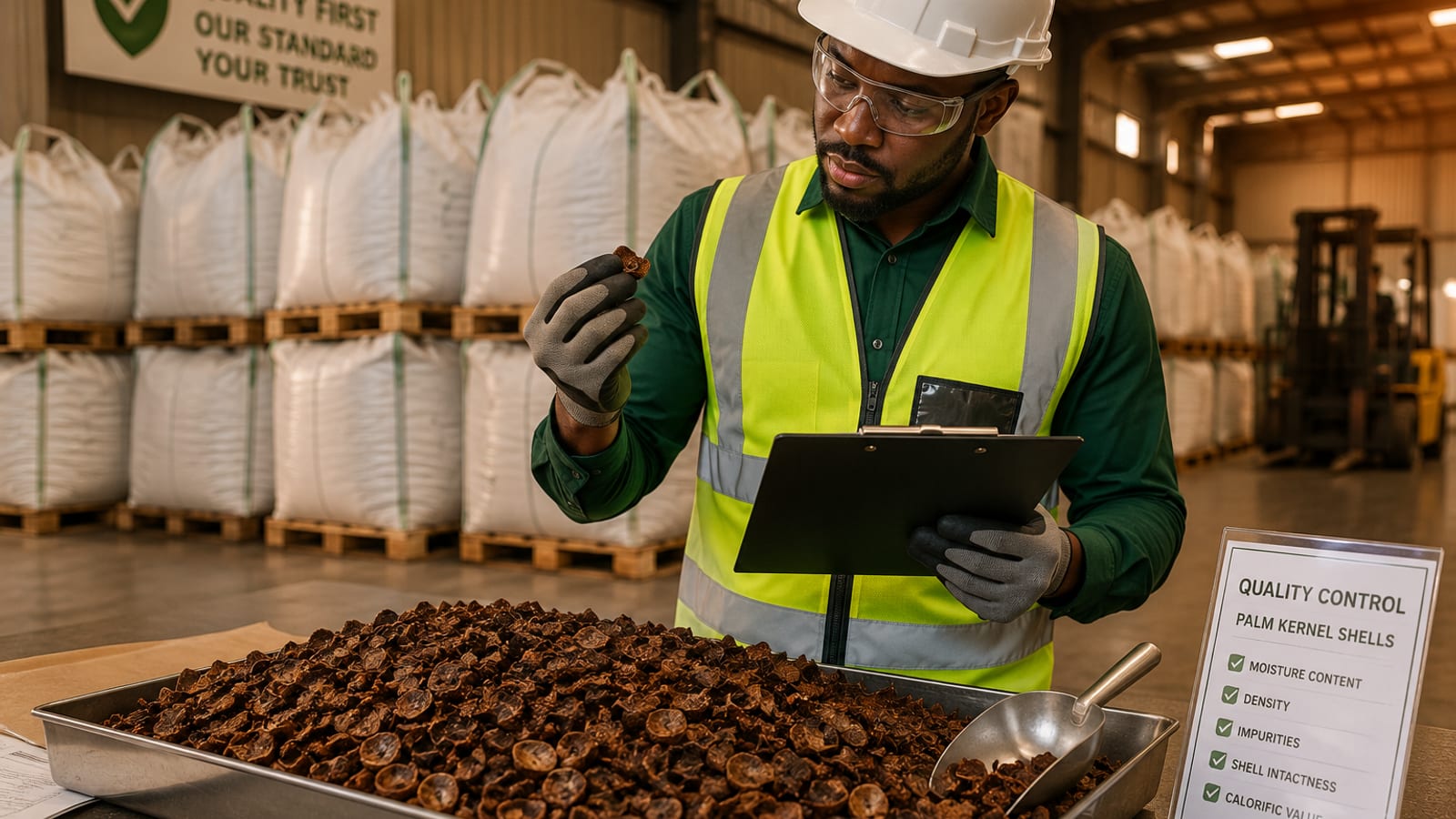
Quality issues are far more expensive to fix after a shipment has left the supplier’s country than before. A strong compliance and quality assurance process protects both sides of a trade relationship.
Key things to have in place: clear product specifications agreed upfront in writing, an inspection process before goods are shipped (either in-person, via a third-party inspector, or supplier-provided documentation), and a clear understanding of any regulatory or certification requirements for your destination market (food safety standards, phytosanitary certificates, etc., depending on the product).
Building these checks into every transaction — not just the ones that “feel risky” — is what separates a reliable long-term supply chain from one that’s one bad shipment away from a crisis.
Advertisement